Kizhi Massage in Sharjah | Ayurveda Treatment Centre in Sharjah
Ayurveda Hospital in Sharjah | Best Ayurveda Doctor in Sharjah | Best Ayurveda Treatment in Sharjah | Best Ayurveda Clinic in Sharjah | Best ayurveda massage in sharjah
The Secrets to an Ayurveda Massage and How Does It Work? Shams Ayurveda Treatment Centre in Sharjah
Ayurveda, the ancient Indian system of holistic medicine, has been practiced for thousands of years. Among its many offerings, Ayurveda massage stands out as a unique blend of therapeutic techniques, herbal oils, and ancient wisdom. It is much more than a physical therapy; it is a rejuvenating experience that promotes balance between the body, mind, and spirit. For those seeking the best Ayurveda massage in Sharjah, this guide unveils its secrets and explains how it works.
What is an Ayurveda Massage?
An Ayurveda massage, or Abhyanga, involves the use of specially prepared herbal oils tailored to an individual’s dosha (body constitution). The massage technique integrates rhythmic strokes, pressure points, and marma therapy to restore balance and enhance overall well-being.
Key elements of Ayurveda massage include:
- Personalized Approach: Oils and techniques are selected based on your dosha – Vata, Pitta, or Kapha.
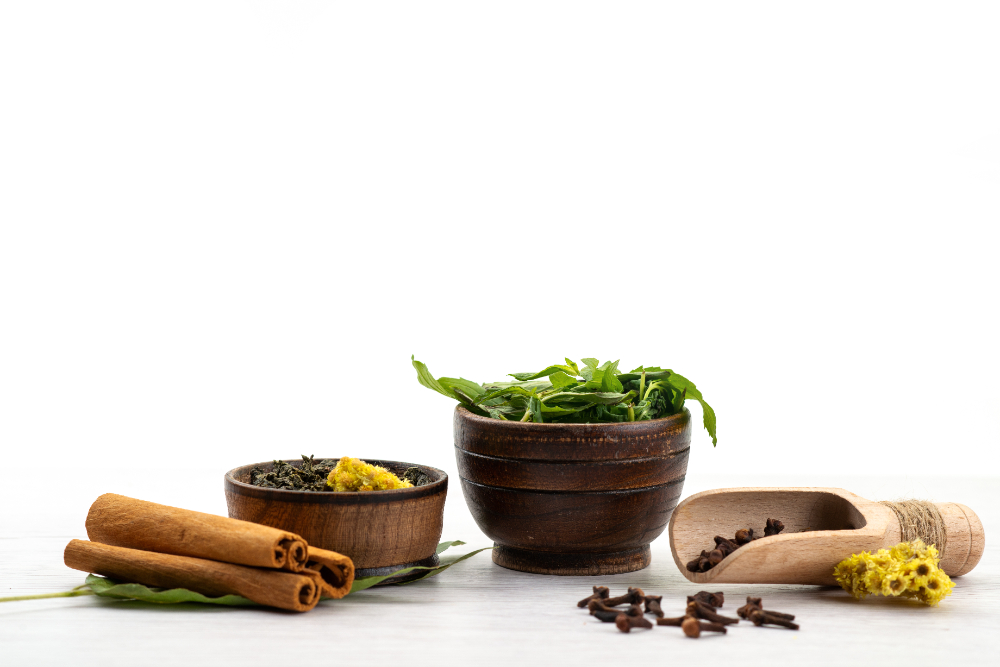
- Herbal Oils: These oils are infused with potent herbs that nourish the skin and penetrate deep tissues.
- Healing Touch: Focuses on activating energy points, reducing stress, and eliminating toxins.
How Does Ayurveda Massage Work?
1. Balancing Doshas
Ayurveda teaches that health is a state of harmony between the doshas. Massage helps balance these energies by addressing imbalances caused by stress, diet, and lifestyle.
2. Detoxification
The herbal oils used in Ayurveda massage in Sharjah are known for their detoxifying properties. They penetrate deep into the skin, drawing out toxins and rejuvenating cells.
3. Improved Circulation
The massage techniques enhance blood flow, ensuring that oxygen and nutrients reach every part of the body. Improved circulation also promotes healing and energizes the body.
4. Stress Relief
Ayurveda massage calms the nervous system. The rhythmic strokes and soothing oils stimulate the release of endorphins, reducing anxiety and enhancing mental clarity.
5. Pain Management
Whether it’s chronic back pain, joint stiffness, or muscle tension, Ayurveda massage provides relief by addressing the root cause of pain rather than just the symptoms.
6. Enhanced Immunity
By stimulating lymphatic drainage and improving circulation, Ayurveda massage strengthens the immune system, preparing the body to fight illnesses naturally.
What Happens During an Ayurveda Massage Session?
- Consultation
A professional Ayurveda therapist will assess your dosha and current health condition to customize the session. - Preparation
The massage begins with the application of warm, herb-infused oils. These are chosen based on your specific needs. - Massage Techniques
Gentle strokes, kneading, and marma point stimulation are applied. The therapist may focus on specific areas based on your concerns. - Relaxation
Post-massage, you’re encouraged to rest and allow the oils to penetrate deeply, amplifying their healing effects.
Benefits of Ayurveda Massage in Sharjah
Opting for an Ayurveda massage in Sharjah is not just a luxury; it is an investment in your health and wellness. Here’s why:
- Professional Expertise: Sharjah hosts certified Ayurveda clinics offering authentic treatments.
- Holistic Healing: These massages cater to physical, mental, and emotional well-being.
- Convenient Access: With the rising demand, finding reputed Ayurveda centers in Sharjah has become easier than ever.
Who Can Benefit from Ayurveda Massage?
Ayurveda massage is suitable for almost everyone, but it is particularly beneficial for:
- People experiencing stress, anxiety, or fatigue.
- Those with chronic pain or stiffness.
- Individuals looking to detoxify their body.
- Anyone seeking improved sleep and mental clarity.
Finding the Right Ayurveda Massage in Sharjah
When searching for an Ayurveda clinic in Sharjah, look for centers with experienced therapists, authentic herbal oils, and a focus on personalized care. Reading reviews and consulting with practitioners can help you make an informed choice.
Conclusion
Shams Ayurveda Treatment Centre, an Ayurveda massage in Sharjah is a doorway to holistic wellness, merging ancient practices with modern needs. Whether you seek stress relief, detoxification, or enhanced immunity, this time-tested therapy has something to offer everyone. Embrace the secrets of Ayurveda and experience its transformative power for yourself.
Take the first step toward balance and harmony today—explore Shams Ayurveda massage centers in Sharjah and begin your journey to well-being.
Kizhi Massage in Sharjah | Ayurveda Treatment Centre in Sharjah
Kizhi is one of the well-known traditional therapies in Ayurveda, particularly associated with warm herbal poultices and therapeutic massage techniques. It has been traditionally used as part of Ayurvedic wellness programs for relaxation, rejuvenation, muscle comfort, and general body care. Today, people living in Sharjah and nearby areas may explore Kizhi as part of a personalized Ayurvedic wellness routine.
If you are searching for Kizhi Massage in Sharjah, Shams Ayurveda provides traditional Ayurvedic therapies based on individual requirements. As an Ayurveda Treatment Centre in Sharjah, Shams Ayurveda offers a range of traditional treatments, including Kizhi, Abhyanga, Pizhichil, Shirodhara, Nasyam, Kati Vasti, Udwarthanam, Panchakarma, and other Ayurvedic wellness therapies.
Kizhi is not simply a conventional massage. It combines traditional massage movements with specially prepared warm herbal boluses. The type of herbs, preparation method, temperature, application technique, and treatment duration may vary according to the individual’s requirements.
What Is Kizhi Massage?
Kizhi is a traditional Ayurvedic therapy involving the application of warm herbal boluses to selected areas of the body.
These boluses are commonly prepared by placing selected herbal ingredients inside pieces of cloth and tying them securely. Depending on the traditional Kizhi procedure, ingredients may include herbal leaves, powders, rice, or other Ayurvedic preparations.
The boluses are warmed appropriately before being applied to the body.
During the treatment, the practitioner may use techniques such as gentle pressing, tapping, or rhythmic application of the warm boluses over selected areas.
The treatment is traditionally associated with warmth, relaxation, physical comfort, and rejuvenation.
Kizhi Massage in Sharjah at Shams Ayurveda
If you are looking for Kizhi Massage in Sharjah, Shams Ayurveda provides traditional Kizhi therapies as part of its Ayurvedic wellness services.
The treatment begins with understanding the individual’s requirements.
The practitioner may consider:
Current physical concerns
Lifestyle
Daily activities
Exercise habits
Previous injuries
General health
Skin condition
Stress levels
Existing medical conditions
Current medications
Based on the consultation, the practitioner can determine whether Kizhi is appropriate and which traditional approach may be suitable.
The treatment is not necessarily the same for every person.
How Does Kizhi Massage Work?
Kizhi involves several stages.
Preparation of the Herbal Bolus
The selected ingredients are prepared according to the traditional treatment method.
The ingredients are placed inside a clean cloth and tied to form a compact bolus.
Warming the Bolus
The bolus is warmed appropriately before application.
Temperature is important because the bolus should provide comfortable warmth without causing excessive heat.
Application
The practitioner applies the warm bolus to selected areas using traditional Ayurvedic techniques.
Depending on the treatment plan, the bolus may be pressed, tapped, or moved over the body.
Monitoring
The practitioner monitors the temperature and the individual’s comfort throughout the session.
If the treatment feels excessively hot or uncomfortable, the practitioner should be informed immediately.
Traditional Benefits of Kizhi
Kizhi is traditionally associated with several wellness benefits.
Muscle Relaxation
Warmth and massage techniques can provide a soothing experience for tired muscles.
People who experience physical fatigue after exercise or demanding work may explore Kizhi as part of a relaxation routine.
Physical Comfort
Traditional Kizhi therapies may be incorporated into wellness programs focused on general body comfort.
Joint Wellness
Kizhi is traditionally used as part of certain Ayurvedic approaches to joint and musculoskeletal wellness.
However, persistent or severe joint pain should always be medically evaluated.
Rejuvenation
The warmth and traditional herbal preparation can create a rejuvenating experience.
Relaxation
Kizhi can provide an opportunity to slow down and relax after a busy day.
These are traditional wellness applications and should not be considered guaranteed medical outcomes.
Kizhi for Active Individuals
People who maintain an active lifestyle may experience temporary muscle fatigue following exercise.
Runners, gym-goers, cyclists, swimmers, athletes, and fitness enthusiasts may look for traditional therapies that complement their recovery routines.
Kizhi may be considered as part of a broader wellness program.
A good recovery routine should also include:
Adequate sleep
Hydration
Balanced nutrition
Rest days
Appropriate stretching
Mobility exercises
Proper training techniques
Kizhi should not be used as a replacement for professional assessment of sports injuries.
Kizhi for Muscle Stiffness
Long working hours and sedentary lifestyles can contribute to feelings of physical stiffness.
People who spend many hours sitting at a desk may experience tension around the:
Neck
Shoulders
Upper back
Lower back
Hips
Traditional Kizhi therapy may provide warmth and relaxation to selected areas.
However, unexplained or persistent pain requires appropriate professional assessment.
Kizhi and Back Wellness
Back discomfort is a common concern among people with sedentary lifestyles.
Poor posture, prolonged sitting, physical strain, and repetitive movements can contribute to back discomfort.
Traditional Ayurvedic therapies such as Kizhi or Kati Vasti may be considered as complementary wellness approaches.
The appropriate treatment depends on the individual’s condition.
If back pain is severe, follows an injury, or is accompanied by numbness, weakness, or other concerning symptoms, medical evaluation is important.
Kizhi and Joint Comfort
Traditional Ayurveda uses different forms of Kizhi depending on the individual’s requirements.
Warm herbal boluses may be applied to selected areas as part of a traditional wellness program.
The warmth can provide a comforting sensation.
However, joint symptoms can result from many different conditions.
Swelling, severe pain, redness, restricted movement, or symptoms following trauma should be evaluated by an appropriate healthcare professional.
Different Types of Kizhi
Ayurveda includes different forms of Kizhi depending on the ingredients and traditional method used.
Examples may include herbal leaf boluses and other preparations containing powders, rice, or selected herbs.
The exact composition can vary depending on the treatment objective and individual requirements.
A qualified Ayurvedic practitioner can determine which traditional form is appropriate.
There is no single Kizhi preparation suitable for everyone.
Kizhi and Herbal Ingredients
The herbs used in Kizhi depend on the specific traditional treatment.
Different herbal ingredients have different traditional properties.
The preparation may include selected leaves, powders, grains, or other Ayurvedic substances.
It is important to inform the practitioner about known allergies or skin sensitivities before treatment.
Herbal does not automatically mean risk-free.
Some individuals may experience irritation or allergic reactions to certain ingredients.
Kizhi Massage in Sharjah’s Climate
Sharjah has a warm climate for much of the year.
People may experience considerable heat outdoors and spend significant amounts of time in air-conditioned environments.
This can influence daily comfort and physical activity.
If you are receiving a warm therapy such as Kizhi, hydration and comfort should be considered.
It is important to:
Drink adequate fluids
Avoid excessive heat exposure
Allow enough time to rest
Inform the practitioner if you feel uncomfortable
Avoid overheating after treatment
The practitioner can provide appropriate guidance based on the treatment.
Who May Consider Kizhi Massage?
Kizhi may be considered by people looking for traditional Ayurvedic wellness therapies for:
General relaxation
Muscle comfort
Physical rejuvenation
Joint wellness
Post-exercise relaxation
General body care
Stress relief through relaxation
It is not limited to athletes.
People with physically demanding jobs or sedentary lifestyles may also explore Kizhi.
The treatment should be selected according to individual requirements.
Who Should Avoid or Delay Kizhi?
Kizhi may not be appropriate in certain circumstances.
Inform the practitioner if you have:
Fever
Acute infection
Open wounds
Active skin infection
Severe skin irritation
Recent surgery
Acute injury
Significant swelling
Unexplained severe pain
People with certain medical conditions should obtain professional advice before receiving warm herbal therapies.
Pregnant individuals should consult an appropriate healthcare professional and qualified practitioner before undergoing specialized Ayurvedic treatments.
Kizhi and Skin Conditions
Kizhi involves warmth and herbal preparations, so skin condition should be considered before treatment.
It may not be appropriate over:
Open wounds
Active eczema lesions
Skin infections
Severe rashes
Fresh burns
Highly irritated skin
If you have a chronic skin condition, inform the practitioner before treatment.
A therapy that is suitable for one person may not be suitable for another.
Preparing for Kizhi Massage
Preparation can help make the treatment more comfortable.
Before your appointment, inform the practitioner about:
Existing medical conditions
Allergies
Skin sensitivities
Current medications
Recent injuries
Previous surgeries
Pregnancy
Recent medical procedures
Avoid consuming an extremely heavy meal immediately before treatment.
Wear comfortable clothing and follow any instructions provided by the practitioner.
During the treatment, communicate if you feel too hot or uncomfortable.
After Kizhi Massage
After treatment, you may be advised to rest for a period of time.
Depending on the treatment plan, the practitioner may provide recommendations regarding:
Bathing
Food
Hydration
Physical activity
Rest
Exposure to extreme temperatures
Following post-treatment instructions can help support a comfortable experience.
Kizhi Massage vs Regular Massage
Kizhi differs from a conventional massage.
A regular massage generally relies primarily on manual massage techniques.
Kizhi incorporates warm herbal boluses as part of the traditional treatment.
The herbs and warmth are an important part of the traditional Ayurvedic procedure.
Kizhi may also be combined with traditional massage techniques depending on the treatment plan.
Kizhi Massage vs Abhyanga
Abhyanga is a traditional Ayurvedic oil massage.
Kizhi uses herbal boluses that are warmed and applied to the body.
Both therapies can provide a relaxing experience, but their techniques and traditional applications differ.
The practitioner can recommend which treatment may be more suitable based on your needs.
Other Ayurvedic Treatments at Shams Ayurveda
As an Ayurveda Treatment Centre in Sharjah, Shams Ayurveda offers a range of traditional Ayurvedic therapies.
Abhyanga Massage
A traditional full-body oil massage using suitable herbal or medicated oils.
Pizhichil
A traditional therapy involving the gentle pouring of warm medicated oil over the body.
Shirodhara
A traditional relaxation procedure involving a continuous flow of suitable warm liquid over the forehead.
Nasyam
A specialized Ayurvedic nasal therapy involving suitable herbal preparations.
Kati Vasti
A localized warm oil therapy traditionally focused on the lower-back region.
Udwarthanam
A traditional herbal powder massage using selected Ayurvedic powders.
Panchakarma
A specialized traditional Ayurvedic approach involving a structured series of procedures under professional supervision.
Tarpanam
A traditional Ayurvedic eye-care procedure using suitable preparations.
Each therapy has different traditional applications and should be selected based on individual requirements.
Why Choose Shams Ayurveda?
When searching for an Ayurveda Treatment Centre in Sharjah, it is important to consider personalized care.
Shams Ayurveda provides traditional Ayurvedic therapies with an emphasis on individual requirements.
A consultation allows the practitioner to understand your:
Lifestyle
Physical activity
General health
Wellness goals
Existing concerns
Treatment history
This helps determine whether Kizhi or another traditional therapy may be appropriate.
Ayurveda Treatment Centre in Sharjah for Holistic Wellness
Ayurveda takes a broad view of wellbeing.
Traditional Ayurvedic care does not focus only on therapies.
It also emphasizes lifestyle habits.
A healthy routine can include:
Balanced Nutrition
Eat a varied diet that meets your nutritional needs.
Regular Exercise
Physical activity supports strength, mobility, and overall health.
Adequate Sleep
A consistent sleep routine is important for physical and mental wellbeing.
Hydration
Adequate hydration is particularly important in a warm climate.
Stress Management
Meditation, breathing exercises, walking, hobbies, and relaxation can support overall wellbeing.
Appropriate Rest
Rest is important after demanding physical activity.
Kizhi can be considered as one component of a broader wellness routine.
Frequently Asked Questions
What is Kizhi Massage in Sharjah?
Kizhi Massage in Sharjah refers to the traditional Ayurvedic therapy involving warm herbal boluses applied to selected areas of the body using specific traditional techniques.
What are the benefits of Kizhi?
Kizhi is traditionally associated with muscle relaxation, physical comfort, joint wellness, rejuvenation, and relaxation.
Is Kizhi suitable for everyone?
No. Suitability depends on individual health, skin condition, age, medical history, and the type of Kizhi being considered.
Is Kizhi painful?
Kizhi is generally intended to be a comfortable warm therapy. The boluses should not be excessively hot. Inform the practitioner immediately if you experience discomfort.
Can Kizhi help with back pain?
Kizhi may be considered as a complementary wellness therapy for physical comfort. However, persistent or severe back pain should be appropriately evaluated by a healthcare professional.
Can Kizhi be used for sports recovery?
It may be incorporated into a relaxation and recovery routine for physically active individuals. It should not replace professional treatment for an acute sports injury.
Can I receive Kizhi if I have eczema?
Kizhi should not automatically be applied over active eczema, irritated skin, open wounds, or skin infections. Inform the practitioner about your skin condition before treatment.
What is an Ayurveda Treatment Centre in Sharjah?
An Ayurveda Treatment Centre in Sharjah provides traditional Ayurvedic consultation and therapies such as massage, herbal treatments, specialized procedures, and wellness services.
What other treatments are available at Shams Ayurveda?
Depending on individual requirements, Shams Ayurveda offers Abhyanga, Kizhi, Pizhichil, Shirodhara, Nasyam, Kati Vasti, Udwarthanam, Panchakarma, Tarpanam, sports massage, relaxing massage, and other traditional Ayurvedic therapies.
Begin Your Ayurvedic Wellness Journey at Shams Ayurveda
If you are searching for Kizhi Massage in Sharjah, Shams Ayurveda provides traditional Kizhi therapy as part of its range of Ayurvedic wellness services.
Kizhi combines selected herbal ingredients, warm herbal boluses, and traditional Ayurvedic techniques to provide a soothing and rejuvenating experience. It is traditionally associated with muscle relaxation, physical comfort, joint wellness, and general body rejuvenation.
As an Ayurveda Treatment Centre in Sharjah, Shams Ayurveda also provides a range of traditional therapies, including Abhyanga, Pizhichil, Shirodhara, Nasyam, Kati Vasti, Udwarthanam, Panchakarma, and Tarpanam.
The appropriate treatment depends on individual requirements.
A personalized consultation is an important part of Ayurvedic care because factors such as lifestyle, physical activity, general health, skin condition, medications, and wellness goals can influence treatment selection.
Kizhi should not be viewed as a substitute for medical treatment. If you have severe or persistent pain, an acute injury, fever, significant swelling, an active infection, or another concerning symptom, seek appropriate medical evaluation.
Similarly, individuals with skin conditions, recent surgery, pregnancy, or chronic medical conditions should inform the practitioner before receiving Kizhi or other specialized therapies.
A holistic wellness routine should also include adequate sleep, balanced nutrition, hydration, appropriate exercise, rest, and effective stress management.
For people looking for Kizhi Massage in Sharjah | Ayurveda Treatment Centre in Sharjah, Shams Ayurveda offers an opportunity to explore traditional Ayurvedic therapies in a comfortable and personalized setting.
Consult Shams Ayurveda to understand which traditional Ayurvedic therapy may be appropriate for your individual wellness needs and begin your journey toward relaxation, rejuvenation, and holistic wellbeing.