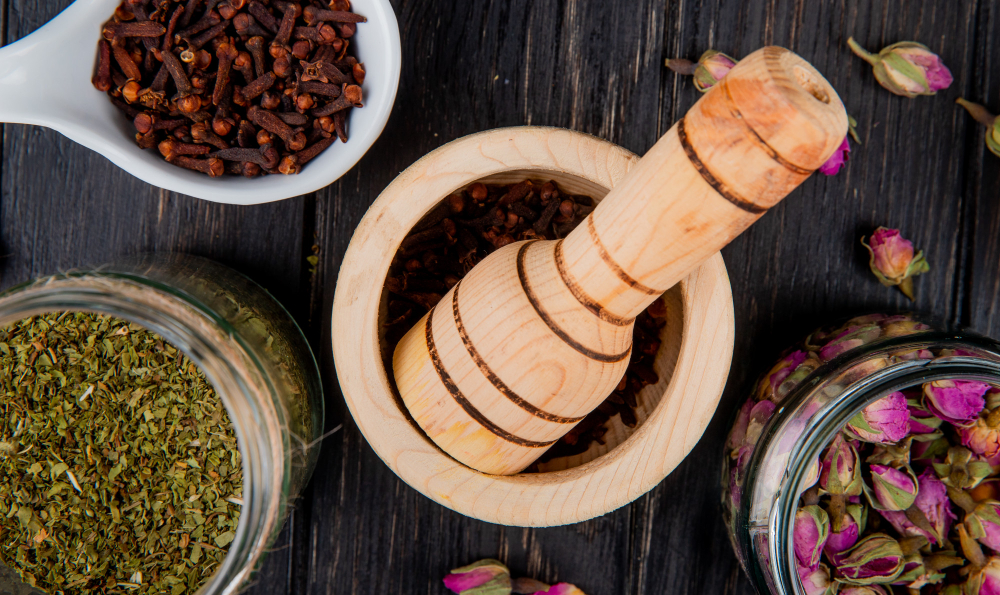
Ayurveda is one of the world’s traditional systems of health and wellness, with roots in India dating back thousands of years. The word Ayurveda comes from the Sanskrit terms “Ayus,” meaning life, and “Veda,” meaning knowledge or science. Rather than focusing only on individual symptoms, Ayurveda traditionally looks at the individual as a whole, considering physical wellbeing, digestion, lifestyle, daily habits, environment, and mental wellbeing.
Today, Ayurveda continues to be practiced as a traditional system of health and wellness, including in the UAE. People interested in Ayurveda may explore personalized consultations, traditional therapies, lifestyle guidance, and wellness practices based on their individual needs.
This complete guide explains the fundamental concepts of Ayurveda, the three doshas, Prakriti, traditional Ayurvedic treatments, lifestyle principles, and what to expect from an Ayurvedic consultation.
Important: Ayurveda is a traditional system of health and wellness. Information in this guide is educational and should not replace diagnosis or treatment from a qualified healthcare professional. If you have a medical condition, take prescription medication, are pregnant, or are considering Ayurveda alongside conventional treatment, consult an appropriately qualified healthcare professional.
Ayurveda is a traditional Indian system of health and wellness that emphasizes balance between different aspects of life. Its traditional approach considers the individual rather than treating every person in exactly the same way.
One of the central ideas in Ayurveda is that each person has an individual constitution, known as Prakriti. Ayurvedic practitioners traditionally use this understanding to develop personalized lifestyle and wellness recommendations.
Unlike a one-size-fits-all approach, Ayurveda emphasizes individual differences.
Ayurvedic principles traditionally take into consideration factors such as:
Ayurveda has developed over thousands of years in India and is traditionally associated with ancient Sanskrit texts that describe principles of health, diet, herbs, lifestyle, and therapeutic practices.
Two important classical Ayurvedic texts are Charaka Samhita and Sushruta Samhita. These texts discuss different aspects of traditional Ayurvedic knowledge, including physiology, diet, therapeutic approaches, surgery, and health practices.
Over generations, Ayurvedic knowledge has continued to evolve through teaching, practice, and traditional healthcare institutions.
Today, Ayurveda is practiced in India and in many other parts of the world as a traditional system of health and wellness.
To understand Ayurveda, it is useful to become familiar with several important concepts.
According to traditional Ayurvedic philosophy, these elements combine in different ways to form the qualities observed in nature and the human body.
The five elements are closely connected to another central Ayurvedic concept: the three doshas.
Ayurvedic philosophy describes five fundamental elements:
The three doshas are known as:
According to Ayurveda, the doshas represent functional principles associated with combinations of the five elements.
Every individual is traditionally considered to have all three doshas, but their relative proportions differ from person to person.
Vata is traditionally associated with the elements of air and space.
It is connected in Ayurvedic philosophy with movement and activities such as circulation, breathing, nervous system functions, and movement within the body.
People with a predominant Vata constitution are traditionally described as having qualities such as:
Traditional Ayurvedic lifestyle recommendations for Vata often emphasize regular routines, adequate rest, warmth, nourishing food, and stability.
Pitta is traditionally associated primarily with fire and water.
It is associated with transformation and metabolic processes in Ayurvedic philosophy.
Pitta characteristics are traditionally described as:
Ayurvedic lifestyle approaches traditionally emphasize moderation, cooling and balanced routines, adequate rest, and avoiding excessive heat when Pitta is considered prominent.
Kapha is traditionally associated with earth and water.
It is traditionally connected with stability, structure, lubrication, and nourishment.
Kapha characteristics are often described as:
Traditional Ayurvedic recommendations for Kapha may emphasize regular physical activity, variety, appropriate stimulation, and balanced food habits.
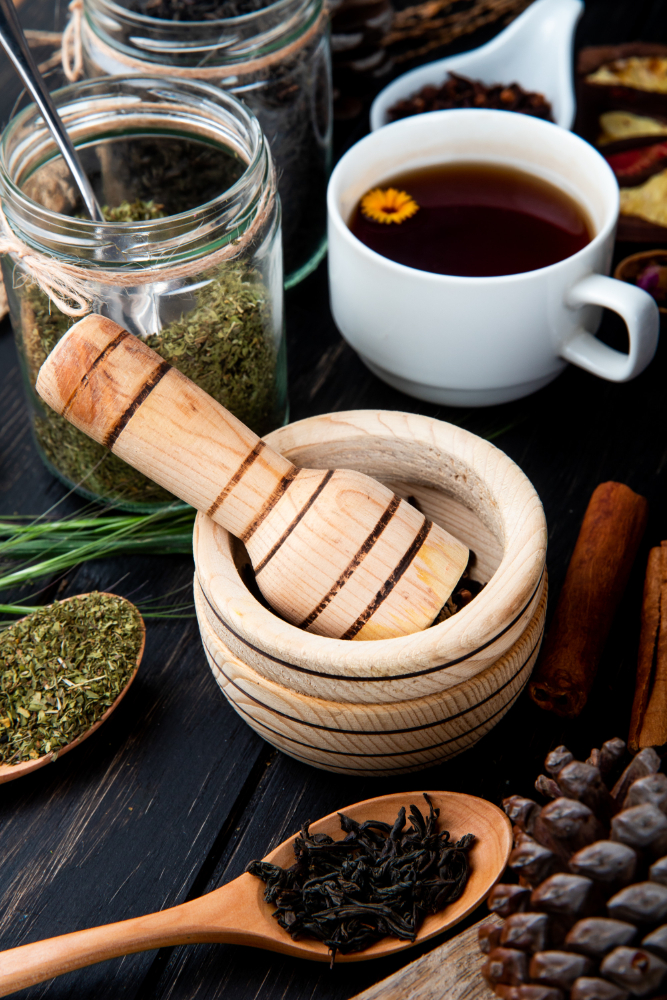
Ayurveda distinguishes between an individual’s Prakriti, or underlying constitution, and their current state of balance, sometimes described through the concept of Vikriti.
Your basic constitution is traditionally considered relatively stable, while lifestyle, diet, environment, age, seasons, and other factors may influence your current state.
A qualified Ayurvedic practitioner can assess these factors as part of an individualized consultation.
Prakriti refers to an individual’s constitution according to Ayurvedic tradition.
It is traditionally understood to be established from birth and influenced by the relative predominance of Vata, Pitta, and Kapha.
Understanding Prakriti is important because Ayurveda traditionally does not recommend exactly the same lifestyle or dietary approach for every individual.
For example, two people experiencing similar discomfort may receive different Ayurvedic recommendations because their constitutions, lifestyles, digestion, and other individual factors may differ.
At Shams Ayurveda Treatment Centre, individualized consultation can help a practitioner understand the person’s needs and determine an appropriate Ayurvedic wellness approach.
A traditional Ayurvedic consultation may include an assessment of factors such as:
While Prakriti describes an individual’s constitution, Vikriti is traditionally used to describe the current state of imbalance or deviation from one’s natural constitution.
Ayurvedic practitioners may consider factors such as:
The comparison between Prakriti and the person’s current state forms part of the traditional Ayurvedic approach to individualized care.
Agni means “digestive fire” in Ayurveda.
Traditional Ayurvedic philosophy gives considerable importance to digestion and metabolism.
Ayurveda describes different states of Agni and considers healthy digestion an important component of overall wellbeing.
Daily habits that Ayurveda traditionally associates with supporting digestion include:
If you have persistent digestive symptoms, you should seek appropriate medical evaluation rather than relying solely on traditional wellness practices.
Ama is a traditional Ayurvedic concept often described as a form of accumulated metabolic waste associated with impaired digestion.
Traditional Ayurvedic practices may aim to support healthy digestion and elimination as part of maintaining overall balance.
However, Ama is an Ayurvedic traditional concept and should not be interpreted as a medically diagnosed substance or condition.
Ojas is another traditional Ayurvedic concept associated with vitality, resilience, nourishment, and overall wellbeing.
Ayurvedic traditions connect Ojas with balanced living, appropriate nutrition, adequate rest, and healthy routines.
It is best understood within the traditional framework of Ayurveda rather than as a direct equivalent of a modern medical measurement.
An Ayurvedic consultation is an individualized assessment based on traditional Ayurvedic principles.
Instead of simply asking, “What symptom do you have?”, an Ayurvedic practitioner may explore the broader picture of your health and lifestyle.
A consultation may discuss:
Based on the consultation, the practitioner may recommend appropriate traditional therapies, lifestyle practices, dietary guidance, or follow-up.
Your first consultation may generally involve several stages.
The practitioner discusses your primary concerns and what you would like to achieve from the consultation.
Your daily routine, food habits, sleep, work, activity level, and other lifestyle factors may be discussed.
The practitioner may assess your constitution and current state using traditional Ayurvedic methods.
Depending on the assessment, an individualized wellness or treatment plan may be suggested.
Your progress can be reviewed during subsequent consultations, and recommendations may be adjusted according to your response and changing needs.
Ayurveda includes a wide range of traditional therapies. The appropriate treatment depends on the individual’s condition, constitution, age, lifestyle, and practitioner assessment.
Abhyangam is a traditional Ayurvedic oil massage in which warm herbal oils may be applied using specific massage techniques.
It is traditionally used as part of Ayurvedic wellness and relaxation practices.
Learn more: Ayurvedic Abhyangam Treatment in Sharjah
Shirodhara is a traditional Ayurvedic therapy involving the gentle, continuous pouring of a suitable liquid over the forehead.
It is commonly associated with relaxation and traditional Ayurvedic approaches to mental and physical wellbeing.
Learn more: Shirodhara Treatment in Sharjah
Kizhi is a traditional Ayurvedic therapy that uses herbal boluses or pouches applied to selected areas of the body.
Different types of Kizhi may be prepared using herbs, leaves, powders, or other ingredients according to the traditional method and practitioner’s recommendation.
Learn more: Kizhi Treatment in Sharjah
Pizhichil is a traditional Ayurvedic therapy involving the controlled application of warm herbal oil over the body.
It is traditionally used for relaxation and wellness and is generally performed under practitioner supervision.
Learn more: Pizhichil Treatment in Sharjah
Panchakarma is a traditional Ayurvedic therapeutic approach involving a series of procedures selected according to an individual’s needs.
Panchakarma is not simply a massage or spa treatment. Traditional Panchakarma programs can involve preparation procedures, specific therapies, dietary considerations, and post-treatment routines.
Because Panchakarma can involve intensive procedures, it should only be undertaken under appropriate professional supervision.
Learn more: Panchakarma Treatment in Sharjah
Nasyam is a traditional Ayurvedic therapy involving the administration of specially prepared substances through the nasal route.
Traditional Ayurveda uses Nasyam in specific therapeutic contexts.
Because it involves administration through the nose, it should be performed only when considered appropriate by a qualified practitioner.
Learn more: Nasyam Treatment in Sharjah
Udwarthanam is a traditional Ayurvedic powder massage involving herbal powders applied to the body using specific massage techniques.
It is traditionally associated with supporting circulation, body care, and wellness.
Learn more: Udwarthanam Treatment in Sharjah
Tarpanam is a traditional Ayurvedic therapy associated particularly with the eyes.
It involves placing a specially prepared herbal mixture around the eyes for a prescribed period under professional supervision.
Learn more: Tarpanam Treatment in Sharjah
Vasti is one of the traditional therapeutic procedures described in Ayurveda.
It involves the administration of specially prepared herbal formulations through the rectal route under professional supervision.
Because Vasti is a therapeutic procedure, it should only be performed after appropriate assessment by a qualified practitioner.
Learn more: Kati Vasti in Sharjah
Ayurveda traditionally takes an individualized approach to a wide range of health and wellness concerns.
At an Ayurvedic centre, people may seek consultation for concerns involving:
The appropriate approach varies from person to person.
Traditional Ayurvedic therapies such as Abhyangam, Kizhi, and other therapies may be recommended in appropriate circumstances as part of a personalized wellness plan.
Persistent, severe, or unexplained pain should be medically evaluated.
Traditional Ayurvedic practices may include relaxation-oriented therapies such as Shirodhara and Abhyangam.
These therapies are often chosen by people seeking relaxation and general wellbeing.
Ayurveda places considerable traditional emphasis on digestion, meal timing, food choices, and daily routine.
If digestive symptoms persist or are severe, appropriate medical assessment is important.
Traditional Ayurvedic postnatal care focuses on rest, nourishment, routine, massage, and individualized wellness practices.
Postnatal treatments should be selected according to the mother’s health status and should be discussed with an appropriately qualified healthcare professional when necessary.
Ayurvedic traditions include individualized approaches to women’s wellness throughout different stages of life.
Any concerns involving pregnancy, abnormal bleeding, severe pain, or other significant symptoms should be evaluated by an appropriately qualified medical professional.
Ayurveda is not only about treatments. Lifestyle is an important part of traditional Ayurvedic philosophy.
Dinacharya refers to the traditional Ayurvedic concept of a daily routine.
A balanced routine may include:
The idea is to create a predictable and balanced rhythm rather than relying only on treatments when problems appear.
Food plays an important role in traditional Ayurveda.
Instead of recommending exactly the same diet to everyone, Ayurveda traditionally considers factors such as:
Traditional Ayurvedic dietary principles often emphasize freshly prepared food, appropriate portions, mindful eating, and suitable meal timing.
However, people with diabetes, kidney disease, food allergies, eating disorders, pregnancy-related nutritional needs, or other medical conditions should obtain appropriate professional dietary advice.
Sleep is considered an important component of wellbeing in Ayurvedic philosophy.
A healthy sleep routine may involve:
Persistent insomnia or significant sleep problems should be discussed with a healthcare professional because sleep difficulties can have many underlying causes.
Ayurvedic traditions recognize the importance of physical activity but emphasize moderation and individual suitability.
The ideal type and intensity of exercise can vary according to age, constitution, physical condition, lifestyle, and season.
Examples of healthy movement include:
The goal should be consistent, sustainable movement rather than excessive exercise.
Ayurveda traditionally recognizes that changes in season can influence lifestyle, food choices, and wellbeing.
This concept is known as Ritucharya, or seasonal routine.
Lifestyle practices may therefore change according to:
The UAE climate can be extremely hot for much of the year.
During hot weather, general wellness practices include:
People with medical conditions should follow their healthcare professional’s advice regarding hydration and heat exposure.
If you are considering Ayurvedic treatment, choosing the right centre is important.
Consider:
Ask about the qualifications and experience of the practitioners providing the consultation and treatment.
A good Ayurvedic approach should consider the individual rather than simply providing the same therapy to everyone.
The clinic should explain what the treatment involves, why it has been recommended, and what you can expect.
Treatment rooms, equipment, oils, herbs, and other materials should be handled hygienically.
A reputable centre should not promise guaranteed cures or make unrealistic medical claims.
For people living or working in the UAE, accessibility can make it easier to attend consultations and follow-up sessions consistently.
At Shams Ayurveda Treatment Centre in Sharjah, the focus is on traditional Ayurvedic therapies combined with individualized consultation.
The centre provides a range of Ayurvedic therapies and wellness services, including traditional treatments such as Abhyangam, Shirodhara, Kizhi, Panchakarma, Pizhichil, Nasyam, Udwarthanam, Tarpanam, and other Ayurvedic approaches.
The treatment plan should be selected according to the individual’s needs and practitioner assessment rather than assuming that one treatment is suitable for everyone.
If you are looking for Ayurvedic treatment in Sharjah, an initial consultation can help you understand which traditional approach may be appropriate for you.
Explore: Ayurveda Treatment in Sharjah
One common misunderstanding is that Ayurveda is simply another form of massage.
Although Ayurvedic massage therapies such as Abhyangam are part of Ayurveda, the traditional system is much broader.
Ayurveda includes concepts related to:
A spa massage may primarily focus on relaxation, whereas an Ayurvedic therapy is traditionally selected according to an individual’s assessment and treatment objectives.
There is no single treatment duration that applies to everyone.
The duration may depend on:
Some therapies may be completed within a single session, while structured Ayurvedic programs may involve multiple sessions.
Your practitioner can explain the expected duration during consultation.
Preparation depends on the type of treatment.
General considerations may include:
Do not stop prescribed medication or medical treatment because you are undergoing Ayurveda unless your prescribing healthcare professional advises you to do so.
The experience after treatment varies depending on the therapy and individual.
Some people may feel relaxed after certain traditional therapies. Others may experience temporary sensations related to the treatment itself.
Your practitioner may provide recommendations regarding:
Always follow the specific aftercare instructions provided for your treatment.
People sometimes use traditional Ayurvedic practices alongside conventional healthcare.
However, combining treatments requires care.
Some Ayurvedic herbs or preparations may interact with prescription medicines or may not be appropriate for people with certain medical conditions.
Therefore:
Always tell your doctor and Ayurvedic practitioner about the medicines, supplements, and treatments you are using.
Do not discontinue prescribed medication without medical advice.
Ayurvedic therapies are not automatically suitable for every person or every situation.
Additional caution may be necessary for:
A qualified practitioner should assess whether a particular therapy is appropriate.
Ayurveda is a traditional Indian system of health and wellness that takes an individualized approach to lifestyle, diet, wellbeing, and traditional therapies.
The three doshas are Vata, Pitta, and Kapha. Ayurveda traditionally describes them as functional principles associated with combinations of the five elements.
Prakriti refers to an individual's constitution according to traditional Ayurvedic philosophy.
No. Massage is only one part of Ayurveda. Ayurveda also includes traditional approaches to diet, lifestyle, daily routine, seasonal routine, consultation, and therapeutic practices.
A consultation may include discussion of your health concerns, lifestyle, food habits, digestion, sleep, daily routine, constitution, and other individual factors.
Treatment duration varies depending on the therapy and individual. Some therapies are performed as individual sessions, while others may form part of a longer treatment program.
It may be possible in some circumstances, but you should inform both your healthcare professional and Ayurvedic practitioner about all medications and supplements you use.
No. Panchakarma involves traditional therapeutic procedures and should only be undertaken following an appropriate assessment and under professional supervision.
Abhyangam is a traditional Ayurvedic oil massage using warm herbal oils and specific massage techniques.
Shirodhara is a traditional Ayurvedic therapy involving the controlled pouring of a suitable liquid over the forehead.
Nasyam is a traditional Ayurvedic procedure involving administration of specially prepared substances through the nasal route. It should be performed only when appropriate and under professional supervision.
The best starting point is an Ayurvedic consultation. A qualified practitioner can understand your individual needs and recommend an appropriate traditional approach.
Ayurveda is more than a collection of individual therapies. Its traditional approach brings together personalized assessment, lifestyle, food habits, daily routines, seasonal awareness, and therapeutic practices. Whether you are interested in learning more about Ayurveda, exploring traditional therapies, or looking for personalized Ayurvedic wellness guidance, understanding the principles behind the system is an important first step. At Shams Ayurveda Treatment Centre in Sharjah, you can begin with an individualized consultation and discuss your concerns with an Ayurvedic practitioner. Looking for Ayurveda Treatment in Sharjah? Book a consultation with Shams Ayurveda Treatment Centre and learn more about the traditional Ayurvedic approach that may be appropriate for your individual needs.
Shams Ayurveda Treatment Centre – Sharjah
Discover traditional Ayurveda through a personalized approach to wellness.
Automated page speed optimizations for fast site performance