

Neck Pain in Ayurveda Sharjah
Neck Pain in Ayurveda Sharjah | Ayurveda Treatment in Sharjah
How Ayurveda Treats Neck Pain: A Comprehensive Guide to Natural Relief
Neck pain is a common ailment that affects millions of people globally, often resulting from poor posture, stress, muscle strain, or degenerative diseases like cervical spondylosis. While modern medicine offers treatments such as medications, physiotherapy, and surgeries, many are seeking natural and holistic remedies to avoid side effects and achieve long-term relief. One of the most trusted alternative medicine systems is Ayurveda, an ancient Indian practice that emphasizes balance in the body’s energies (doshas) and offers a wide array of treatments for neck pain.
In this blog, we will explore how Ayurveda treats neck pain, offering a comprehensive guide to natural relief by addressing the root causes and restoring the body’s harmony. Shams Ayurveda treatment for neck pain offers a natural and holistic approach to managing discomfort and enhancing overall well-being. Many individuals seek ayurveda treatment for neck pain to find relief from chronic stiffness and tension in the cervical spine.
Understanding Neck Pain in Ayurveda & Ayurveda Treatment for Neck Pain
Weight Loss Treatment in Ayurveda Treatment Centre in Sharjah
Ayurveda views the body as a balance of three doshas: Vata, Pitta, and Kapha. Each dosha governs different aspects of physical and mental health, and an imbalance in these energies can lead to illness and discomfort. Neck pain, particularly chronic neck stiffness, is primarily associated with an aggravated Vata dosha. This dosha is responsible for movement and governs the nervous system. When Vata is imbalanced, it can lead to dryness, stiffness, pain, and reduced mobility in the neck area. The ayurveda treatment for neck pain includes therapies like Abhyanga and Shirodhara, which can help soothe and relax the affected area. If you’re struggling with persistent neck pain, consider exploring ayurveda treatment for neck pain as a viable alternative to conventional methods.
- Causes of Neck Pain in Ayurveda:
- Vata Imbalance: When Vata is aggravated, it can lead to dryness and stiffness in the muscles and joints.
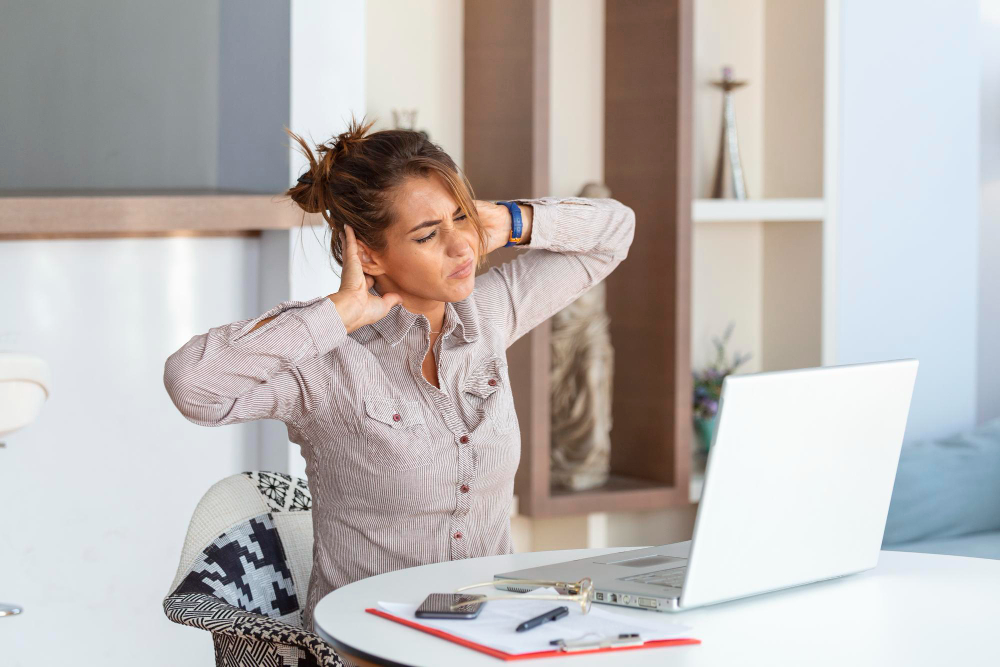
- Poor Posture: Sitting for long hours with poor posture, particularly in front of computers or mobile devices, strains the neck muscles.
- Emotional Stress: Anxiety and mental stress can also contribute to tightness in the neck and shoulders.
- Injury: Physical trauma, such as whiplash or muscle strains, can lead to long-term discomfort if not treated properly.
Key Ayurvedic Therapies for Neck Pain
Ayurveda offers various therapies tailored to address the root cause of neck pain, focusing on balancing the doshas and promoting healing. Ayurveda treatment for neck pain focuses on balancing the body’s energies and addressing the root causes of discomfort. Personalized ayurveda treatment for neck pain plans often involve a combination of herbal remedies, dietary adjustments, and lifestyle changes. Some of the most effective Ayurvedic treatments for neck pain include:
1. Griva Basti
- Overview: One of the most recommended treatments for neck pain is Griva Basti, where medicated warm oil is retained on the neck for a specific duration. This therapy nourishes the tissues, relieves stiffness, and reduces inflammation.
- Process: A dough boundary is made around the neck, and warm herbal oil is poured inside. The oil is kept in the dough dam for about 30-40 minutes, allowing the oil to deeply penetrate the tissues.
- Benefits: Griva Basti improves blood circulation, relaxes the muscles, reduces stiffness, and alleviates pain caused by cervical spondylosis and other degenerative conditions.
2. Abhyanga (Full Body Oil Massage)
- Overview: Abhyanga is a full-body massage using warm, medicated oils that pacify the Vata dosha and enhance overall well-being. For neck pain, the massage focuses on the neck and shoulder regions to relieve tension and pain.
- Process: Medicated herbal oils such as Mahanarayan oil and Dhanwantharam thailam are used in circular motions on the neck to stimulate circulation and relax the muscles.
- Benefits: Abhyanga relieves muscle tension, improves mobility, and provides long-term relief from pain by targeting deep-seated muscle and nerve issues.
3. Nasya (Nasal Therapy)
- Overview: Nasya is a purification therapy that involves administering herbal oils or powders through the nose to cleanse the nasal passages and improve circulation in the head and neck area.
- Process: Medicated oils, such as Anu tailam or Shadbindu tailam, are gently administered into the nostrils. This helps remove accumulated toxins (Ama) and balance the Vata dosha.
- Benefits: Nasya improves blood flow to the neck and head, relieves tension headaches, and reduces stiffness in the neck area by clearing sinus congestion and promoting free energy flow.
4. Kizhi (Herbal Pouch Therapy)
- Overview: Kizhi therapy involves the application of heated herbal pouches (bolus) on the affected areas to relieve pain and stiffness. This therapy is often used in combination with oil massage for enhanced results.
- Process: Herbal powders, leaves, or rice are tied into small pouches, which are heated and applied to the neck area. The warmth helps penetrate the tissues, providing relief from stiffness and pain.
- Benefits: Kizhi increases blood circulation, relaxes tight muscles, reduces inflammation, and promotes mobility in the neck.
5. Panchakarma
- Overview: Panchakarma is Ayurveda’s detoxification process, designed to eliminate toxins (Ama) from the body and restore the natural balance of the doshas. For chronic neck pain, Panchakarma therapies like Basti (medicated enema), Virechana (purgation therapy), and Vamana (therapeutic vomiting) may be recommended to detoxify the body.
- Process: A personalized Panchakarma regimen is tailored based on the individual’s dosha imbalance and the severity of their neck pain. This involves a series of treatments to cleanse the body internally and rejuvenate the affected areas.
Benefits: Panchakarma enhances the body’s healing capacity, removes toxins, and balances the doshas, providing long-term relief from pain and improving overall health.
Ayurvedic Herbs and Oils for Neck Pain Relief: Ayurveda Treatment for Neck Pain
Herbs play a crucial role in Ayurvedic treatment for neck pain, offering natural remedies that address inflammation, stiffness, and pain. Incorporating ayurveda treatment for neck pain into your wellness routine can provide lasting relief and prevent future episodes. Many people find that ayurveda treatment for neck pain helps alleviate both acute and chronic pain through its gentle, restorative techniques. Some of the most effective herbs and oils for neck pain include:
1. Guggulu (Commiphora Mukul)
- Known for its anti-inflammatory and analgesic properties, Guggulu is often used to treat arthritis and other joint-related issues, including neck pain.
2. Rasna (Pluchea Lanceolata)
- Rasna helps in reducing inflammation and alleviating pain. It is commonly used in Ayurvedic formulations for treating joint and muscle pain.
3. Ashwagandha (Withania Somnifera)
- A well-known adaptogen, Ashwagandha helps reduce stress and anxiety, which can contribute to muscle tension in the neck. It also has anti-inflammatory properties that relieve pain.
4. Mahanarayan Oil
- A traditional Ayurvedic oil made from a blend of herbs, Mahanarayan oil is highly effective for relieving muscle stiffness and pain, particularly in the neck and shoulders.
5. Bala (Sida Cordifolia)
- Bala is an herb that strengthens the muscles and nerves and is often used in Ayurvedic treatments for neuromuscular conditions that cause neck pain.
Dietary Recommendations for Neck Pain Relief (Ayurveda Treatment for Neck Pain)
In Ayurveda, diet plays a vital role in managing and preventing neck pain. A Vata-pacifying diet is often recommended for those suffering from neck pain, as it helps to balance the Vata dosha, which is responsible for mobility and flexibility. The effectiveness of ayurveda treatment for neck pain can be enhanced by combining it with proper posture and ergonomic practices. A consultation with an Ayurvedic practitioner can help determine the most effective ayurveda treatment for neck pain tailored to your specific needs. Here are some dietary tips to support neck pain relief:
- Warm, Cooked Foods: Opt for easily digestible, warm, and moist foods like soups, stews, and cooked grains. Cold and dry foods should be avoided as they aggravate Vata.
- Healthy Fats: Incorporate healthy fats like ghee, olive oil, and sesame oil into your diet to lubricate the joints and tissues, reducing stiffness.
- Spices and Herbs: Include warming spices like ginger, turmeric, cumin, and black pepper to improve digestion and reduce inflammation.
- Stay Hydrated: Drink plenty of warm water and herbal teas throughout the day to keep the body hydrated and flush out toxins.
Avoid Vata-Aggravating Foods: Limit cold, raw, and dry foods like salads, crackers, and processed foods, as these can worsen neck pain by aggravating the Vata dosha.
Lifestyle Practices for Long-Term Neck Pain Relief
In addition to therapies and diet, Ayurveda emphasizes the importance of lifestyle modifications to prevent and manage neck pain. Ayurveda treatment for neck pain often includes practices such as Pindasveda, which uses medicinal herbs to reduce inflammation and improve circulation. Using ayurveda treatment for neck pain can be particularly beneficial for those looking to avoid the side effects of pharmaceutical pain relievers. Incorporating the following practices into your daily routine can significantly reduce the recurrence of neck pain:
1. Yoga for Neck Pain
- Certain yoga poses, such as Bhujangasana (Cobra Pose), Matsyasana (Fish Pose), and Marjaryasana-Bitilasana (Cat-Cow Pose), can strengthen the neck muscles, improve flexibility, and alleviate stiffness.
2. Stress Management
- Practicing meditation and Pranayama (breathing exercises) can help reduce mental stress, which is often a contributing factor to neck pain. Anulom Vilom (Alternate Nostril Breathing) is particularly effective for calming the mind and balancing the Vata dosha.
3. Proper Posture
- Maintaining proper posture while sitting, standing, and sleeping is crucial for preventing neck pain. Ergonomic furniture and mindfulness about your posture can significantly reduce strain on the neck muscles.
4. Daily Abhyanga (Self-Massage)
- Performing a daily self-massage with warm medicated oils like sesame oil can help relax the muscles and prevent stiffness.
Conclusion of Ayurveda Treatment for Neck Pain
In conclusion, Ayurveda offers a comprehensive and holistic approach to alleviating neck pain, addressing both the symptoms and the underlying causes. By integrating traditional Ayurvedic treatments such as Abhyanga (oil massage), Shirodhara, and specific dietary recommendations, individuals can experience not only relief from pain but also a restoration of balance and well-being. These practices work synergistically to enhance circulation, reduce inflammation, and support overall spinal health. Regular sessions of ayurveda treatment for neck pain may help in achieving long-term relief and improving overall spinal health. Ayurveda treatment for neck pain emphasizes the importance of a balanced diet and stress management as part of a comprehensive healing approach.
Moreover, Ayurveda emphasizes the importance of lifestyle modifications, including stress management and ergonomic adjustments, to prevent the recurrence of neck pain. By adopting these principles, individuals can achieve long-term relief and improve their quality of life. As always, it is advisable to consult with a qualified Ayurvedic practitioner to tailor a treatment plan that suits your unique needs and health conditions. Embracing this ancient wisdom can lead to a more harmonious and pain-free existence, underscoring the value of holistic care in modern wellness. By incorporating ayurveda treatment for neck pain, individuals can experience significant improvements in flexibility and comfort in their daily lives.
Neck Pain in Ayurveda Sharjah | Ayurveda Treatment in Sharjah
Neck pain is a common concern that can affect people of different ages and lifestyles. Spending long hours at a computer, using mobile phones, driving, poor posture, physical strain, inadequate rest, and everyday stress can all contribute to neck discomfort. For people looking for a traditional and holistic approach, Neck Pain in Ayurveda Sharjah can be explored through Ayurvedic consultation, lifestyle guidance, traditional therapies, and personalized wellness practices.
At Shams Ayurveda, Ayurveda Treatment in Sharjah is approached according to individual requirements. Ayurveda is a traditional Indian system of health and wellness that considers the body, lifestyle, diet, sleep, physical activity, stress, and overall wellbeing when recommending appropriate therapies.
Neck pain can have many different causes. While traditional Ayurvedic therapies may provide relaxation and support physical comfort, persistent, severe, sudden, or unexplained neck pain should be evaluated by an appropriate healthcare professional to determine the underlying cause.
Understanding Neck Pain
The neck supports the head and contains muscles, joints, bones, nerves, and other important structures. Because the neck is involved in movement throughout the day, it can become uncomfortable when subjected to prolonged or repetitive strain.
Neck pain may be experienced as:
- Mild or moderate discomfort
- Stiffness
- Tightness
- Muscle tension
- Difficulty turning the head
- Shoulder discomfort
- Pain after prolonged sitting
- Discomfort after sleeping in an awkward position
Some people may experience occasional neck discomfort, while others may have recurring symptoms.
The cause and severity of neck pain are important when deciding what type of care may be appropriate.
Common Causes of Neck Pain
Several lifestyle and physical factors can contribute to neck discomfort.
Poor Posture
Poor sitting posture is one of the common concerns associated with neck and shoulder discomfort.
Sitting with the head positioned forward for long periods can place additional strain on the muscles around the neck.
Prolonged Computer Use
Office workers may spend several hours working on computers.
Without regular breaks and proper workstation positioning, prolonged computer use may contribute to stiffness and discomfort.
Mobile Phone Use
Looking down at a mobile phone for extended periods may increase strain around the neck and upper back.
Taking regular breaks and holding devices at a comfortable viewing height can help reduce prolonged static posture.
Driving
People who drive for long periods may experience neck and shoulder tension due to maintaining a fixed position.
Stress
Stress can contribute to muscle tension and may make existing discomfort feel worse.
Physical Activity
Exercise and physical work are important for health, but incorrect technique, sudden increases in activity, or overuse may contribute to muscle strain.
Sleeping Position
An unsuitable pillow or sleeping position may contribute to temporary neck stiffness.
Neck Pain in Ayurveda Sharjah
People searching for Neck Pain in Ayurveda Sharjah may be interested in traditional Ayurvedic approaches to physical comfort and wellness.
Traditional Ayurveda takes a holistic approach. Instead of focusing only on the area of discomfort, an Ayurvedic practitioner may consider:
- Lifestyle
- Daily routine
- Sleep
- Diet
- Physical activity
- Stress
- Work habits
- Previous injuries
- General wellbeing
After consultation, suitable traditional therapies may be recommended according to the individual’s requirements.
These may include traditional oil massage, localized therapies, Kizhi, Abhyanga, Pizhichil, or other Ayurvedic treatments when considered appropriate.
Ayurveda Treatment in Sharjah for Neck Wellness
Ayurveda Treatment in Sharjah can include a range of traditional therapies that may be considered for neck and shoulder wellness.
The specific treatment should not be selected solely based on symptoms. An appropriate consultation is important, particularly when pain is persistent or recurrent.
Traditional therapies that may be considered include:
- Abhyanga
- Kizhi
- Pizhichil
- Kati Vasti where appropriate
- Ayurvedic head massage
- Shirodhara for relaxation
- Localized oil therapies
- Lifestyle guidance
Each therapy has different traditional applications, and not every treatment is suitable for every person.
Abhyanga for Relaxation and Neck Wellness
Abhyanga is a traditional Ayurvedic oil massage involving the application of suitable oil using traditional massage techniques.
Although it is a full-body treatment, attention may be given to areas such as the neck, shoulders, back, arms, and legs depending on the individual’s requirements.
Abhyanga is traditionally associated with:
- Relaxation
- Rejuvenation
- Body care
- Physical comfort
- General wellness
For people with everyday muscle tension, a relaxing massage may provide temporary comfort.
However, massage should not be used as a substitute for medical assessment when neck pain is caused by injury, nerve compression, or another medical condition.
Kizhi Treatment for Neck and Shoulder Comfort
Kizhi is a traditional Ayurvedic therapy involving warm herbal boluses.
The boluses may contain herbs, leaves, powders, rice, or other traditional ingredients depending on the type of Kizhi.
Warm boluses are applied to selected areas using traditional techniques.
Kizhi is traditionally associated with:
- Muscle relaxation
- Joint wellness
- Physical comfort
- Rejuvenation
- Localized warmth
For individuals experiencing neck and shoulder stiffness, Kizhi may be considered after an appropriate consultation.
Pizhichil Treatment
Pizhichil is another traditional Ayurvedic therapy.
During the procedure, warm medicated oil is gently poured over the body in a controlled manner.
The warmth and oil application can create a deeply relaxing experience.
Pizhichil may be considered as part of a broader Ayurvedic wellness program depending on individual requirements.
Ayurvedic Head Massage and Neck Relaxation
The head, neck, and shoulders are closely connected in everyday movement and posture.
An Ayurvedic head massage may involve gentle massage of the:
- Scalp
- Head
- Forehead
- Temples
- Neck
- Shoulders
This traditional wellness practice can provide a calming experience.
It can be especially appealing to people who spend long hours at computers or mobile devices.
However, individuals with severe neck pain, recent injury, numbness, weakness, or neurological symptoms should seek medical evaluation before receiving massage.
Neck Pain and Office Work
Desk-based work is one of the common lifestyle factors associated with neck and shoulder discomfort.
Sitting in one position for several hours can contribute to stiffness.
Simple workplace habits can support neck wellness.
Maintain a Comfortable Screen Height
Your computer monitor should be positioned so that you do not have to continuously bend your neck downward.
Take Regular Breaks
Stand up, walk, and change position throughout the workday.
Keep Your Shoulders Relaxed
Avoid continuously lifting or tightening your shoulders while working.
Adjust Your Chair
A properly adjusted chair can support a more comfortable working position.
Stretch Gently
Simple neck and shoulder movements may help maintain mobility.
Do not force movements if they cause pain.
Neck Pain from Mobile Phone Use
Mobile phones are an important part of everyday life, but prolonged downward viewing can place additional strain on the neck.
People often spend hours scrolling, messaging, watching videos, and browsing social media.
To support better neck habits:
- Hold your phone closer to eye level
- Take frequent breaks
- Avoid prolonged static positions
- Move your neck gently throughout the day
- Avoid using the phone continuously in bed
These simple habits can complement an overall wellness routine.
Ayurveda and Neck Muscle Tension
Muscle tension can develop after prolonged sitting, repetitive activity, physical work, or stress.
Traditional Ayurvedic massage therapies can provide a relaxing experience and may support temporary physical comfort.
At Shams Ayurveda, therapies can be selected according to individual needs after consultation.
The objective is not simply to massage the painful area but to understand the person’s overall lifestyle and wellness requirements.
Lifestyle Guidance for Neck Wellness
Traditional Ayurveda places importance on maintaining a consistent daily routine.
For people experiencing occasional neck discomfort, healthy lifestyle habits may include:
- Regular physical activity
- Adequate sleep
- Good posture
- Balanced nutrition
- Sufficient hydration
- Regular work breaks
- Stress management
- Appropriate stretching
- Avoiding prolonged static positions
These habits can support general musculoskeletal wellbeing.
Neck Pain and Stress
Stress can influence how the body feels.
When people are stressed, they may unconsciously tighten the muscles around the neck and shoulders.
This can contribute to feelings of stiffness and tension.
Relaxation practices such as:
- Meditation
- Breathing exercises
- Gentle yoga
- Walking
- Massage
- Adequate sleep
may support general wellbeing.
Ayurvedic massage can be incorporated into a relaxation routine, but persistent stress or mental health concerns should be discussed with an appropriate professional.
Neck Pain and Sleep
Sleep plays an important role in physical recovery and general health.
An uncomfortable pillow or sleeping position may contribute to temporary morning stiffness.
For better sleep and neck comfort:
- Choose a supportive pillow
- Avoid sleeping in awkward positions
- Maintain a consistent sleep schedule
- Avoid prolonged phone use before sleeping
- Ensure the sleeping environment is comfortable
If neck pain repeatedly wakes you during the night or continues for an extended period, seek professional medical advice.
Ayurvedic Massage for Neck and Shoulder Relaxation
A gentle Ayurvedic massage may help people relax the neck and shoulder muscles after a busy day.
Traditional massage techniques can be adapted according to individual comfort.
The pressure should always remain comfortable.
Tell the therapist if:
- The pressure is too strong
- You experience sharp pain
- You feel numbness
- You experience dizziness
- The treatment causes unusual discomfort
Massage should feel comfortable and relaxing rather than painful.
Who May Consider Ayurveda for Neck Wellness?
People may explore traditional Ayurvedic wellness therapies if they experience occasional:
- Neck stiffness
- Muscle tension
- Shoulder tightness
- Work-related physical fatigue
- Posture-related discomfort
- General body tiredness
However, the cause of neck pain matters.
Ayurvedic therapies should not delay appropriate medical evaluation when symptoms are severe or persistent.
When Neck Pain Requires Medical Attention
Not all neck pain is suitable for massage or complementary therapies.
Seek prompt medical evaluation if neck pain occurs with:
- Severe or sudden pain
- Recent accident or injury
- Numbness
- Tingling
- Weakness
- Difficulty walking
- Loss of coordination
- Severe headache
- Fever
- Unexplained weight loss
- Pain spreading into the arm
- Loss of bladder or bowel control
These symptoms may require medical investigation.
Ayurveda and Cervical Spondylosis
Cervical spondylosis is a degenerative condition affecting the structures of the cervical spine.
It can cause neck pain, stiffness, and sometimes symptoms involving the arms.
Anyone diagnosed with a spinal condition should discuss complementary therapies with their healthcare provider before receiving massage or specialized Ayurvedic procedures.
Ayurvedic therapies may be explored as complementary wellness practices where appropriate, but they should not replace prescribed medical care.
Ayurveda for General Musculoskeletal Wellness
Ayurveda emphasizes maintaining balance through lifestyle and traditional therapies.
Musculoskeletal wellness can be supported by:
- Regular movement
- Strength training
- Flexibility exercises
- Healthy body weight
- Adequate rest
- Good posture
- Balanced nutrition
Traditional massage therapies may complement these habits by providing relaxation and physical comfort.
Ayurveda Treatment Centre in Sharjah
Choosing the right Ayurveda Treatment Centre in Sharjah is important when exploring traditional therapies for neck and body wellness.
A suitable centre should provide:
- Professional consultation
- Individualized treatment recommendations
- Appropriate treatment facilities
- Hygiene and cleanliness
- Clear communication
- Traditional Ayurvedic therapies
- Attention to individual health requirements
At Shams Ayurveda, individuals can discuss their concerns with an Ayurvedic practitioner and explore suitable traditional therapies.
Personalized Ayurvedic Consultation
A consultation is an important part of traditional Ayurvedic care.
The practitioner may ask about:
Your Daily Routine
Work, physical activity, sleep, and other daily habits may be discussed.
Your Diet
Food habits and meal routines may be considered.
Your Symptoms
The location, duration, and nature of your discomfort may be discussed.
Your Medical History
Previous injuries, surgeries, diagnosed conditions, and medications should be disclosed.
Your Lifestyle
Stress, work environment, exercise, and daily activities may be considered.
This information helps the practitioner understand your overall situation before recommending traditional treatment.
Why Choose Shams Ayurveda for Neck Pain Wellness?
Shams Ayurveda offers traditional Ayurvedic consultation and therapies in Sharjah for individuals interested in holistic wellness.
For people searching for Neck Pain in Ayurveda Sharjah, the centre provides access to traditional therapies that may be considered for relaxation and physical comfort.
Depending on individual requirements, therapies may include:
- Abhyanga
- Kizhi
- Pizhichil
- Ayurvedic head massage
- Shirodhara
- Nasyam
- Udwarthanam
- Panchakarma
- Other traditional Ayurvedic therapies
Treatment selection depends on individual requirements and practitioner recommendations.
Preparing for Ayurvedic Treatment
Before receiving Ayurveda Treatment in Sharjah, provide complete and accurate information about your health.
Tell the practitioner if you have:
- Chronic health conditions
- Recent injuries
- Previous surgeries
- Allergies
- Skin conditions
- Pregnancy
- Current medications
- Recent medical procedures
- Severe or unexplained symptoms
This information can help determine whether a particular therapy is appropriate.
What to Expect During an Ayurvedic Treatment
The experience depends on the type of therapy selected.
For a traditional massage, you may be asked to lie comfortably while appropriate oil is applied using traditional massage techniques.
For Kizhi, warm herbal boluses may be applied to selected areas.
For Pizhichil, warm medicated oil may be gently poured over the body.
For head massage, attention may be given to the scalp, head, neck, and shoulders.
The practitioner should adjust the treatment according to your comfort and individual requirements.
Frequently Asked Questions
What is Neck Pain in Ayurveda Sharjah?
Neck Pain in Ayurveda Sharjah refers to traditional Ayurvedic approaches that may be explored for neck wellness, relaxation, and physical comfort. Treatment selection depends on the individual’s condition and consultation.
What Ayurveda Treatment in Sharjah can be used for neck discomfort?
Depending on individual requirements, traditional therapies such as Abhyanga, Kizhi, Pizhichil, and Ayurvedic head massage may be considered. A consultation is recommended before treatment.
Can Ayurvedic massage cure neck pain?
Massage may provide temporary relaxation and physical comfort, but it cannot be guaranteed to cure neck pain. The underlying cause should be identified, particularly when symptoms are persistent or severe.
Is Kizhi suitable for neck stiffness?
Kizhi is traditionally used for muscle and joint wellness and may be considered for stiffness after appropriate consultation.
Can head massage help neck tension?
A gentle head and neck massage may provide relaxation and temporary comfort for some people experiencing everyday muscle tension.
How often should I receive Ayurvedic treatment?
There is no standard frequency. Treatment schedules depend on individual needs, the therapy selected, health history, and practitioner recommendations.
Is Ayurveda suitable for cervical spine problems?
People with diagnosed cervical spine conditions should discuss complementary therapies with their healthcare provider before receiving massage or other specialized treatments.
Can I receive Ayurvedic treatment if I take medication?
Possibly, but you should always inform the Ayurvedic practitioner about your medications and medical conditions before treatment.
Healthy Habits to Support Neck Health
Alongside appropriate treatment, simple daily habits can support neck and shoulder wellness.
Stay Active
Regular movement helps prevent prolonged static positions.
Improve Your Posture
Avoid continuously leaning forward while working.
Take Screen Breaks
Follow regular breaks from computers and mobile devices.
Sleep Well
Adequate sleep supports general physical recovery.
Exercise Safely
Use appropriate techniques and avoid sudden increases in physical activity.
Manage Stress
Relaxation techniques can help support overall wellbeing.
Stay Hydrated
Adequate fluid intake is important for general health.